
CULTURAL OSMOSIS | Case Study (Part One)
Introduction
Cultural osmosis represents the profound exchange of cultural elements that occurs when diverse communities interact and inspire one another. In the realm of fashion, this phenomenon manifests in the seamless integration of various styles, techniques and narratives, creating innovative designs that reflect the complexity of identity in our globalised world. LABRUM stands as a testament to this cultural exchange, embracing its West African roots while engaging with broader Western fashion practices. This essay explores the essence of cultural osmosis, highlighting how LABRUM embodies this concept through its distinct aesthetic and commitment to inclusivity.
Osmosis As a Concept
Traditionally associated with the movement of molecules, osmosis serves as a metaphor for cultural permeability, facilitating the exchange and integration of cultural elements. "Cultural flows create new landscapes of desire, belonging, and identity, reshaping our understanding of culture itself" (Appadurai, 1996).
Understanding Cultural Osmosis
Cultural osmosis can be understood as the natural absorption of cultural expressions and practices from one community to another. As the scholar Homi K. Bhabha notes, "Hybridity is the sign of the productivity of colonial power; it opens up the possibility of new cultural forms and identities" (Bhabha, 1994). In the world of fashion, this hybridisation leads not only to unique design aesthetics but also to narratives that bridge cultural divides.
At its core, cultural osmosis challenges the notion of fixed identities. Edward Said aptly encapsulates this by stating, "Cultures do not simply exist; they interact, influence, and concurrently shape one another" (Said, 1978). This interaction is particularly evident in fashion, where designers often draw inspiration from various cultural backgrounds to craft garments that resonate with diverse audiences.
LABRUM: A Case Study in Cultural Osmosis
LABRUM, a fashion brand that honours heritage through contemporary design, recognises the importance of this cultural conversation. The brand weaves British tailoring with vibrant West African textiles, crafting a unique narrative that celebrates both histories. By incorporating traditional motifs and colours inspired by West African culture with classic British cuts, LABRUM transforms each piece into a canvas of storytelling, showcasing the beauty of cultural dialogue.
Every collection emerges as a collaboration between past and present; garments that once represented distinctly separate worlds now stand united, much like the harmonious blend of rhythms from the djembe and melodies from the kora. As people from various backgrounds converged, these two musical styles, both rich in history, began to weave narratives that transcended their origins. The djembe, handcrafted from locally sourced wood and animal skin, echoed the voices of West African ancestors. Each stroke articulated stories of community, celebration, and collective memory. In stark contrast, classical music with its roots in Europe conveyed emotional depth through structured compositions, echoing the sentiments of noble courts and communal gatherings alike. Together, they represented a world growing ever closer through the shared experience of sound.
LABRUM’s runway showcases not only clothing but also a celebration of heritage, identity, and innovation, where classical elegance meets West African vibrancy in a colourful display of creativity.
Consumer Engagement and Representation
The resonance of LABRUM's identity goes beyond aesthetics alone; it embodies the spirit of inclusivity and representation. The collections stimulate dialogue about cultural identity and encourage consumers to engage more meaningfully with the stories behind the garments they wear. “When individuals wear LABRUM, they are not just donning a piece of clothing; they are embracing a narrative, a shared experience of culture and community” (Dr Foday Dumbuya, 2023). In an increasingly globalised market, the importance of understanding and appreciating the cultural context behind fashion is crucial. The brand positions itself as a platform where diverse cultural influences meet, allowing individuals from various backgrounds to see themselves reflected in the designs.
Globalisation and Cultural Exchange in Fashion
The advent of globalisation has significantly accelerated the pace and scope of cultural osmosis in fashion, breaking down barriers and fostering cross-cultural collaborations. Designers are increasingly encouraged to explore the extensive tapestry of global aesthetics. Yuniya Kawamura, a leading voice in fashion studies, asserts, “Fashion is a social phenomenon that provides insight into an individual's world” (Kawamura, 2004). This insight can lead to innovative creations that bridge gaps between cultures and encourage understanding through shared narratives.
As fashion becomes more interconnected, it also faces the challenge of navigating the delicate balance between cultural appreciation and appropriation. In this regard, it is vital to honour the origins of cultural elements incorporated into contemporary designs. As bell hooks argues, “Cultural appropriation often exploits marginalised cultures while denying them recognition and respect” (hooks, 1992). By emphasising respect and authenticity, LABRUM seeks not just to borrow but to acknowledge and celebrate the cultures from which we draw inspiration.
The Future of Cultural Osmosis in Fashion
The future of LABRUM and the broader fashion industry hinges on a continued commitment to cultural osmosis as a reflection of evolving identities. "Fashion is a conversation, and every collection should invite dialogue rather than dictate terms” (Dr Foday Dumbuya, 2023). As designers engage with diverse narratives, they have the opportunity to redefine industry standards, promoting a more inclusive and compassionate approach to fashion. As LABRUM forges ahead, it is essential to foster collaborations that elevate marginalised voices and celebrate cultural narratives. The process of cultural osmosis in fashion serves not only to enhance creativity but also to champion the socially responsible aspects of the industry, making it imperative for designers to be conscientious about the stories they portray through their work.
Conclusion
Cultural osmosis is a transformative force in fashion, allowing for the seamless integration of diverse influences that enrich the industry and society. LABRUM stands as a representation of this phenomenon, illustrating the beauty that arises when cultures converge. By embracing cultural narratives, promoting inclusivity, and encouraging meaningful dialogues, LABRUM aims to redefine fashion as a platform for understanding and celebrating our shared human experiences. As we continue to navigate the complexities of identity in a globalised world, let us celebrate cultural diversity and recognise the power of fashion as a medium for connection.
References

Read more
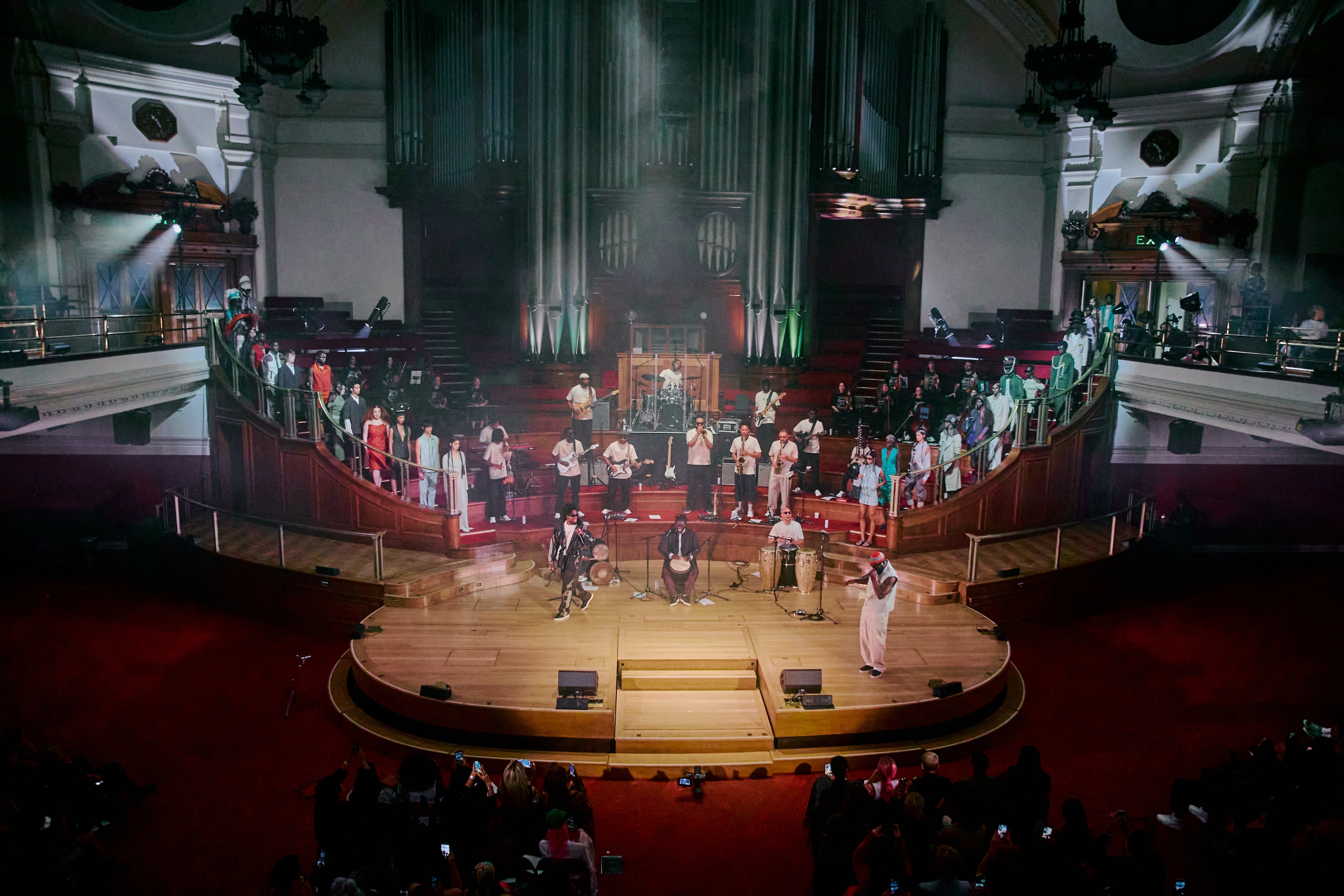
LABRUM presents its Spring/Summer 26 collection, titled Osmosis, an honest exploration into the dissemination of culture and its ability to influence all that surrounds it. This season, designer Fo...
Read more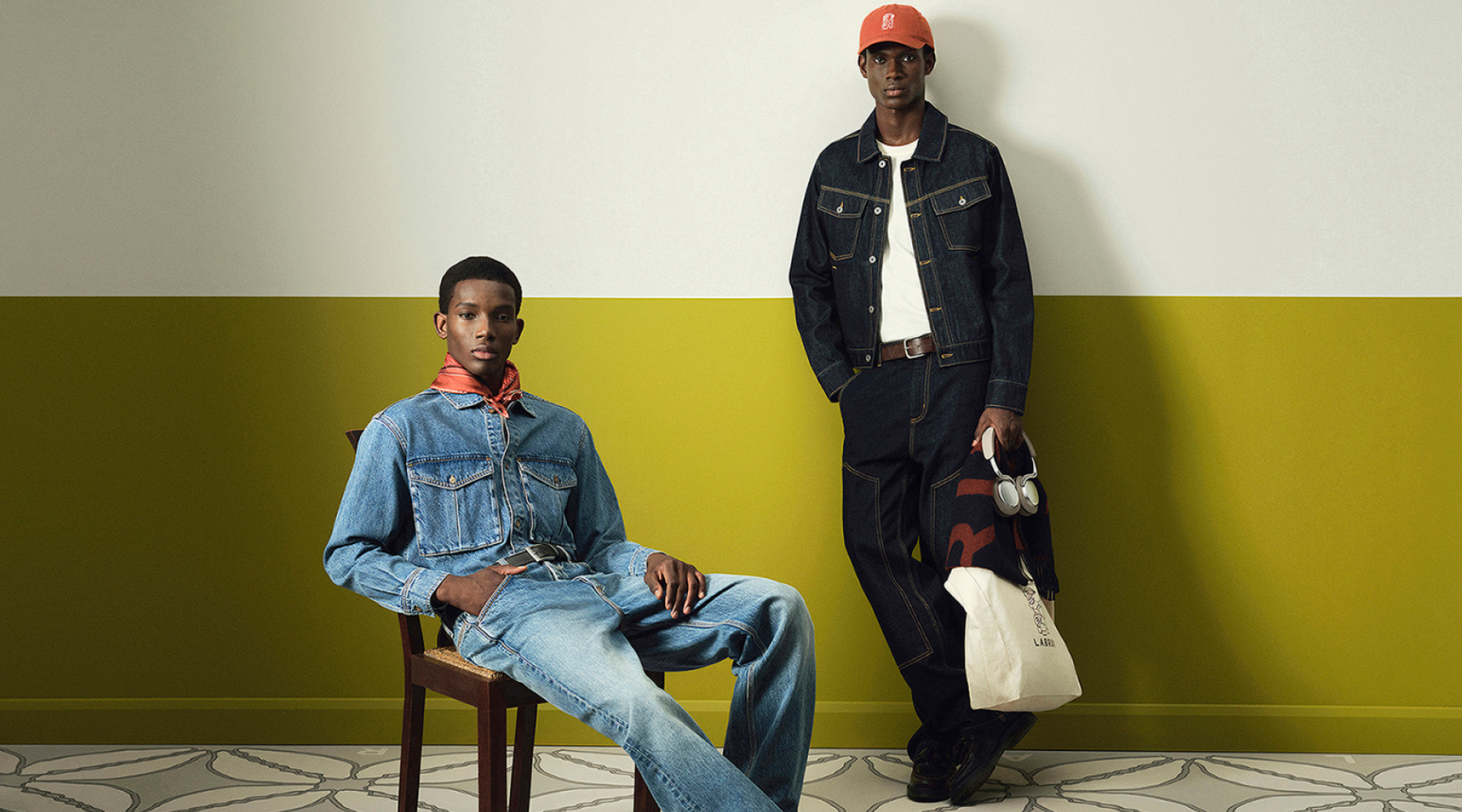
LABRUM x John Lewis: Combining West African Heritage with British Fashion Staples
The 38 piece collection of outerwear, knitwear, denim and tailoring will be available online and in five John Lewis stores. The collection reflects a wider investment in Menswear at John Lewis and ...
Read more